Self-awareness
Understanding yourself, your motivations, your assumptions — and the impact you have on others.

Individual and team coaching for senior executives, partners and emerging leaders. A structured, personalized, confidential approach to professional development, self-awareness and behavioural change.

Professional development starts with a clearer understanding of the present: the individual’s goals, motivations, relationships and the choices available. Reflection has a purpose: to identify and sustain changes in behaviour that support meaningful professional progress.
My role is to manage a disciplined coaching process that helps people examine their goals, consider alternatives and identify actions. Each client retains responsibility for their choices and their development.

Understanding yourself, your motivations, your assumptions — and the impact you have on others.
Exploring how you interact with others, communicate, build trust, manage conflict and receive feedback.
Identifying realistic choices and turning reflection into behavioural changes that support your goals.

Arthur Schopenhauer’s hedgehog dilemma is a metaphor about the challenges of relationships.
Hedgehogs seek warmth by coming together only to be hurt by one another’s spines. The challenge is finding the appropriate distance and maintaining over time.
The metaphor is relevant to both individual and team coaching. Developing greater awareness of our own behaviours — and of how they affect others — can help us build more constructive relationships while recognizing and managing the tensions that naturally arise.
Much of my coaching work ultimately concerns relationships: how leaders interact with others, how their behaviour is experienced, and the impact this has on trust, communication and collective performance.
a relational outcome
Trust involves a choice to accept vulnerability. Trustworthiness concerns how others assess our care, sincerity, reliability and competence. Coaching can help leaders explore both the trust they extend and the behaviours through which they earn it.
“Trust is choosing to risk making something you value vulnerable to another person’s actions.”
Charles Feltman — The Thin Book of Trust
a fundamental leadership capability
Effective listening requires more than understanding what someone is saying. It involves giving others the attention, time and space to think for themselves, without prematurely interrupting, judging or offering solutions and it requires recognizing how our own assumptions, expectations and experiences can interfere with our ability to understand others.
“The quality of your attention determines the quality of other people's thinking.”
Nancy Kline — Time to Think

I work primarily with C-suite executives, senior leaders, partners in professional services firms and individuals preparing for those responsibilities. Coaching typically begins with professional development goals, sometimes informed by an organisation’s leadership competency framework. As the work progresses, these goals may become clearer, evolve or give way to others.
Together, we examine the individual’s current situation, desired outcomes and obstacles to progress. We identify and evaluate alternative courses of action and translate conclusions into concrete commitments.
My approach is non-directive. I use open questions, listening, reflection and constructive challenge rather than prescribing solutions. A substantial part of the work often concerns professional relationships: how leaders interact with colleagues, how others experience them and which behaviours may need to change.
A typical engagement runs around nine months, with approximately two one-hour sessions per month, held in person or by video. Sessions focus on reflection, goals and concrete actions, with follow-through discussed at subsequent meetings.
Where appropriate, I gather confidential, non-attributable feedback from people who work with you, often including colleagues, direct reports and your manager. Existing assessments can also inform the discussion. We review progress along the way and close by considering what you have learned and how you will continue.
The coaching relationship and its content are confidential.
“My responsibility is to manage the coaching process. Your responsibility is to engage openly, reflect honestly, challenge yourself and act on what you discover.”
— DREW KEITH
I coach groups of colleagues whose collective performance could improve through changes in the way they work together. The focus is not team-building for its own sake, but practical improvements in collaboration, decision-making and mutual accountability.
Two established frameworks inform much of my work. Patrick Lencioni’s The Five Dysfunctions of a Team examines the behavioural foundations of team effectiveness: trust, constructive conflict, commitment, accountability and attention to collective results.
Jon Katzenbach and Douglas Smith’s The Wisdom of Teams distinguishes a working group from a genuine team. The latter shares a meaningful purpose, specific performance goals, a common working approach and mutual accountability, with complementary skills.
These frameworks offer a basis for diagnosis and discussion, not a standardised formula. Each engagement begins with understanding the team’s particular context, relationships and ambitions, then defining changes in behaviour and working practices that support better collective performance.
Lencioni: Trust allows disagreement to be productive; productive disagreement helps establish commitment; commitment supports accountability; and accountability keeps the team focused on shared results.
Katzenbach & Smith: Shared purpose, performance goals, complementary skills, a common approach and mutual accountability distinguish real teams from groups that primarily coordinate individual contributions.
References: Patrick Lencioni, The Five Dysfunctions of a Team (2002); Jon R. Katzenbach & Douglas K. Smith, The Wisdom of Teams (1993).
“The best team is one where members are ready to take personal risks, prepared to tackle conflict, and willing to have courageous conversations.”
Manfred Kets de Vries — The Hedgehog Effect
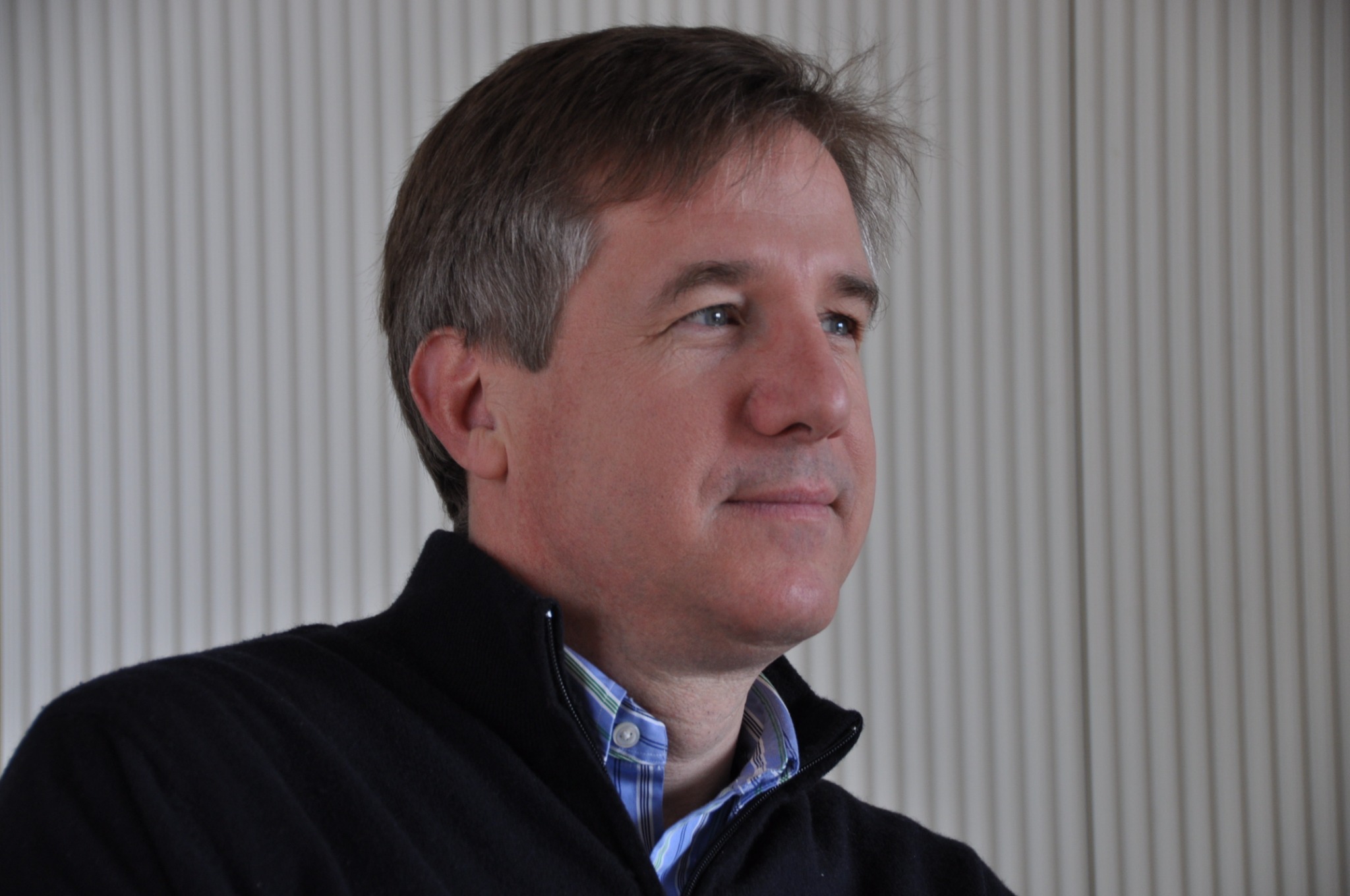
I am a professionally trained and accredited coach. My practice combines the discipline of coaching with experience as an executive, consultant, advisor and board member, working with senior leaders and organisations in a variety of contexts.
Each coaching relationship is distinct. The process is professionally grounded, while the relationship is personal and tailored to the individual, with space for candid reflection and challenge.
My professional background includes leadership roles at Deloitte Consulting, Spencer Stuart, Russell Reynolds, Accenture and Fastweb, as well as serving as Interim CEO of Moleskine and Non-Executive Director of Alessi.
I completed the Meyler Campbell Mastered Programme and hold EMCC Global EIA accreditation.
View my professional background ↗I work with individuals and with organisations sponsoring leadership development, including CEOs, boards, senior partners, CHROs and leadership development teams. For an initial discussion, please contact me by email at drew@virare.net or through LinkedIn.
drew@virare.net ↗